
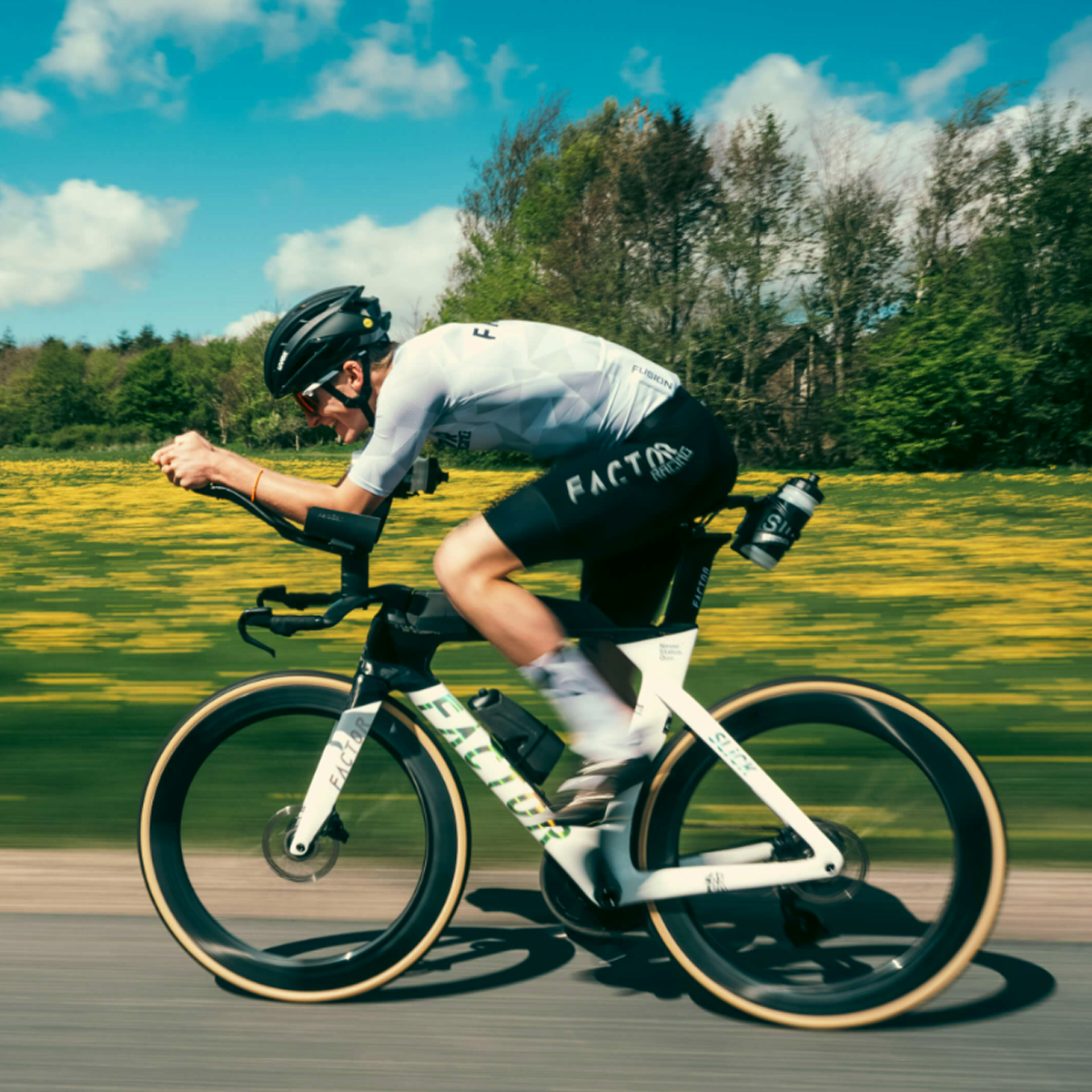
A triathlon can be decided well before the final kilometers of the run. A swimmer who starts too fast may struggle to settle into a steady rhythm on the bike. A cyclist who pushes beyond a sustainable effort can lose valuable time during the run. Even a slow transition can erase an advantage earned earlier in the race.
Triathlon combines swimming, cycling, and running into one continuous competition. The clock keeps running between disciplines, so success depends on more than speed in any single sport. Athletes must manage their effort, adapt to different physical demands, and use their equipment efficiently.
For newcomers, understanding the race format is an important part of preparation. Distances, training requirements, and competition rules differ considerably between a short local event and a full-distance race.
Three Sports, One Race
Triathlon follows a fixed sequence: swimming, cycling, and running. Competitors complete all three disciplines consecutively, passing through designated transition areas to change equipment.
The swim takes place in a pool or open water, such as a lake, river, or ocean. Open-water courses require athletes to navigate around buoys while adapting to waves, currents, or reduced visibility. Pool events offer a more controlled setting and are common in smaller competitions.
After swimming, athletes enter the first transition, T1. They remove unnecessary swim equipment, prepare their bicycles, and proceed to the mount line. The cycling leg may involve flat roads, sustained climbs, or technical descents.
The second transition, T2, connects cycling with running. Athletes return their bicycles to designated racks, remove their helmets, and prepare for the final discipline.
Finishing positions are determined by total elapsed time, including both transitions. A competitor who swims faster than a rival can still finish behind them after losing time on the bike or during the run.
Most conventional road triathlons use paved cycling routes, although running surfaces may vary. Off-road triathlons feature mountain biking and trail running, requiring different equipment and technical skills.
Competition ranges from introductory local events to age-group championships and professional races. Athletes may compete within their age category or pursue qualification for international events.
Triathlon Distances Explained
Race distance influences training volume, pacing, nutrition, and recovery needs. Short events reward sustained speed and efficient transitions, while longer races place greater demands on endurance and energy management.
Several established formats are widely used, although organizers may adjust course lengths because of local geography, safety conditions, or event regulations.
Sprint and Olympic Distance
A sprint triathlon typically consists of a 750-meter swim, a 20-kilometer bike ride, and a 5-kilometer run. It offers an introduction to multisport racing, particularly for athletes with experience in at least one discipline.
Despite its relatively short distance, a sprint can be physically demanding. Competitors often maintain high intensity, leaving limited opportunity to recover from an overly aggressive start.
Super-sprint races are shorter still, with some events featuring a 400-meter swim, 10 kilometers of cycling, and a 2.5-kilometer run. Exact distances vary by organizer.
The Olympic triathlon, also known as the standard-distance triathlon, doubles the usual sprint distances:
| Discipline | Sprint | Olympic |
|---|---|---|
| Swimming | 750 m | 1.5 km |
| Cycling | 20 km | 40 km |
| Running | 5 km | 10 km |
| Total | 25.75 km | 51.5 km |
Olympic-distance racing requires a balance between speed and endurance. Athletes need efficient swimming technique to conserve energy and sufficient cycling fitness to complete the final 10 kilometers on foot at a competitive pace.
At the Olympic Games, individual athletes compete over the standard distance. The mixed relay features teams of four, with each athlete completing a much shorter swim-bike-run segment.
Drafting rules also affect racing. Many elite short-course competitions permit drafting during cycling, allowing competitors to ride in groups. Other events prohibit it, requiring riders to maintain specified separation distances except when overtaking.
Long-Distance and Ironman Triathlon
Long-distance triathlon places greater emphasis on aerobic endurance, hydration, fueling, and fatigue management. Competitors must sustain an appropriate effort for several hours, often under changing weather conditions.
A common middle-distance format includes a 1.9-kilometer swim, 90 kilometers of cycling, and a 21.1-kilometer run. These distances correspond approximately to the branded IRONMAN 70.3 format, named for its total distance in miles.
A full-distance ironman triathlon typically covers:
- 3.8 kilometers of swimming (approximately 2.4 miles)
- 180 kilometers of cycling (approximately 112 miles)
- 42.2 kilometers of running (approximately 26.2 miles)
The combined distance is approximately 140.6 miles. IRONMAN is an event brand, although independent organizers also conduct full-distance competitions over comparable courses.
Completion times depend on fitness, terrain, weather, and competition rules. Long-distance events commonly impose cutoff times for individual stages and the overall race. Athletes who miss a checkpoint deadline may be unable to continue.
Preparing for these events usually requires months of structured endurance training. Longer rides, sustained aerobic sessions, and practiced fueling strategies become increasingly important as race duration increases.
How Triathlon Training Is Structured
Effective triathlon training develops fitness across three disciplines while accounting for their different physical demands.
Swimming requires efficient technique and breathing control. Cycling develops sustained aerobic power with relatively little weight-bearing impact, while running places greater stress on muscles, tendons, and joints.
A balanced triathlon training plan considers experience, available time, recovery capacity, and intended race distance. Sessions should complement one another rather than simply combine three independent sport schedules.
Beginners benefit from establishing a manageable routine before increasing intensity or duration. Experienced athletes may organize preparation into training blocks focused on aerobic development, race-specific performance, and recovery.
Swim, Bike and Run Sessions
Each discipline requires a different training approach.
Triathlon swimming focuses on efficient movement through the water. Sessions may include technique drills, controlled intervals, and continuous swimming. Open-water practice introduces sighting, the technique of briefly looking forward to check direction while swimming. This helps athletes follow the course without unnecessary detours.
Triathlon cycling develops the ability to maintain power over the required distance. Longer rides build endurance, while intervals help riders manage climbs and changes in pace. Braking, cornering, and safe riding around other competitors are also important.
Triathlon running prepares athletes for the mechanical demands of the final leg. Training generally combines easy aerobic runs with selected faster efforts. Running after cycling feels different from running on fresh legs, making race-specific practice useful.
A beginner preparing for a sprint might schedule two swims, two rides, and two runs per week. Some sessions can be combined or shortened depending on fitness and recovery.
Easy workouts provide opportunities to improve technique and build aerobic fitness without excessive fatigue. Making every session difficult rarely produces the most effective training schedule.
Brick Workouts and Recovery
A brick workout combines two disciplines in immediate succession, most commonly cycling followed by running.
For example, an athlete might finish a moderate bike ride and begin a short run within a few minutes. The opening portion can feel awkward as the legs adjust from pedaling to a different movement pattern.
These sessions help athletes adapt their running rhythm and assess whether their cycling pace is appropriate for the intended race. Even a brief run after cycling can provide useful practice.
Recovery deserves equal attention. Although the three disciplines place different demands on the body, their combined workload can produce accumulated fatigue.
Rest days, adequate sleep, sufficient nutrition, and lighter training periods support adaptation. Persistent soreness, declining performance, or unusual exhaustion may indicate that training demands exceed recovery capacity.
Why Transitions Matter
Transitions are timed parts of a triathlon, and their procedures influence both performance and safety.
The first triathlon transition, T1, covers the change from swimming to cycling. Athletes leave the water, remove their wetsuits if worn, prepare their cycling equipment, and take their bicycles toward the mount line.
T2 involves dismounting before the designated line, returning the bicycle to its assigned position, and preparing for the run.
Small mistakes can cost valuable seconds. Difficulty removing a wetsuit, putting on cycling shoes, or locating the correct rack may delay an otherwise well-prepared athlete.
Under standard competition rules, athletes must fasten their helmets before removing their bicycles from the rack and keep them fastened until the bicycles have been returned to their designated positions.
Cyclists must also observe the mount and dismount lines. The mount line marks where riding may begin, while athletes must be off their bicycles before the dismount line.
Exact procedures depend on event regulations. Some competitions restrict equipment placement or outside assistance within transition areas.
Practicing a consistent sequence of actions reduces hesitation and prevents mistakes. Efficient transitions come from familiarity with the procedure rather than rushing through it.
Building Endurance Across Three Disciplines
Endurance is central to triathlon, but aerobic fitness does not transfer equally between swimming, cycling, and running.
A strong cyclist may have excellent cardiovascular endurance yet lack the muscular and tendon conditioning required for prolonged running. Similarly, a capable runner may struggle in open water if inefficient technique increases energy expenditure.
Swimming presents a particular challenge because body position, breathing, and stroke mechanics strongly influence how much effort is required to maintain speed.
A sensible approach to triathlon for beginners starts with manageable sessions and gradual increases in volume. Much of endurance development comes from consistent aerobic work at an intensity that can be sustained without excessive fatigue.
Harder sessions improve speed and the ability to handle race-specific demands, but they should serve a clear purpose within the schedule.
Training volume must match the intended event. Sprint preparation may involve relatively short endurance sessions, while full-distance racing requires substantially longer periods of continuous exercise.
As competition approaches, athletes commonly enter a taper, reducing overall training volume while retaining some shorter, moderately demanding efforts. This allows accumulated fatigue to decrease while preserving fitness.
What You Need for Your First Triathlon
A first triathlon does not require expensive specialist equipment. Reliable gear that fits properly and meets competition regulations is generally sufficient.
Basic equipment includes swimwear, goggles, a bicycle, an approved helmet, and running shoes. Many athletes wear a triathlon suit throughout the race, avoiding the need to change clothing between disciplines.
For open-water events, wetsuit regulations depend on water temperature, competition category, and organizer rules. Wetsuits may be permitted, required, or prohibited under different conditions.
A road bike is suitable for many competitions, although some beginner events accept hybrid or mountain bikes. Athletes should confirm permitted bicycle types before registering.
Other useful items include a race belt, water bottles, cycling shoes if desired, and a small towel where transition-area rules allow one.
Equipment should be tested during training. Poorly adjusted goggles can leak, unfamiliar running shoes may cause blisters, and an uncomfortable cycling position becomes increasingly difficult to maintain over longer distances.
Bicycle regulations may also depend on whether drafting is permitted. Non-drafting races generally allow specialized triathlon bikes, while drafting-legal events often impose stricter requirements on bicycle geometry and handlebar extensions.
For a first event, confidence in basic equipment handling is more valuable than marginal aerodynamic improvements.
Preparing for Race Day
Race preparation begins with understanding the event’s requirements. Organizers typically provide course maps, start procedures, transition arrangements, and equipment regulations before competition day.
Athletes should review the route profile and identify sections that may affect pacing. Repeated climbs increase cycling demands, while exposed running courses can become particularly challenging in hot weather.
Open-water participants should check the expected water temperature, swim course layout, and announcements concerning safety-related changes.
Registration deadlines, transition opening times, and mandatory race briefings should also be confirmed in advance.
Pacing and Nutrition
A sustainable race pace allows athletes to complete each discipline without compromising their overall performance.
Starting the swim too aggressively can make controlled breathing difficult. During cycling, maintaining an effort appropriate to the distance helps limit fatigue before the run.
Pacing strategies depend on race duration, terrain, and individual fitness. Shorter events permit higher relative intensity, while long-distance competitors must account for muscular fatigue and declining energy reserves.
Nutrition requirements also change with duration.
For a short sprint, a familiar pre-race meal and appropriate hydration may be sufficient for many athletes. Longer competitions generally require planned carbohydrate intake to maintain energy availability.
Sports drinks, gels, and easily digested foods are commonly used during endurance events. The cycling leg often provides the most practical opportunity to consume nutrition because athletes can carry supplies and maintain a relatively steady position.
Fluid requirements depend on temperature, sweat rate, exercise intensity, and individual tolerance. Excessive drinking can be dangerous, so hydration should reflect actual needs rather than a fixed assumption that more is always better.
Nutrition strategies should be tested during training. Introducing unfamiliar products on race day increases the risk of gastrointestinal discomfort.
Transition Setup
A well-organized transition area helps athletes move between disciplines without confusion.
Before the start, competitors should locate their assigned rack, identify the swim entrance, and check the bicycle exit and return routes. Walking through these routes is particularly helpful at large events where rows of bicycles look similar.
Equipment must be arranged within the permitted space. Helmets, shoes, sunglasses, and other essentials should be easy to reach without obstructing neighboring competitors.
Some events require equipment bags, restrict loose items, or use separate locations for T1 and T2. These arrangements should be checked beforehand.
A final equipment inspection should include tire condition, brakes, helmet fit, race numbers, and any timing chip supplied by the organizer.
Moving From Your First Triathlon to Longer Distances
Completing a first triathlon provides information that ordinary training cannot fully reproduce.
An athlete may discover that swimming among other competitors requires more practice, that certain equipment choices slow transitions, or that their intended pace is difficult to sustain under race conditions.
These observations can guide the next training cycle.
Moving from sprint to Olympic distance generally involves extending aerobic endurance and becoming comfortable with longer continuous efforts. The increased swimming and cycling distances also make technical efficiency more important.
Progressing to middle-distance or full-distance racing requires greater preparation. Long rides, fueling practice, and the ability to manage extended training sessions become increasingly important.
There is no need to advance immediately. Repeating shorter races allows athletes to refine technique, improve race execution, and gain experience before committing to substantially longer events.
FAQ
What is the order of events in a triathlon?
The standard sequence is swimming, cycling, and running. Athletes complete the disciplines consecutively, with two timed transitions connecting them. Total elapsed time determines the finishing result.
What is the best triathlon distance for beginners?
A super-sprint or sprint triathlon is often a practical starting point. Both formats allow newcomers to experience all three disciplines without the endurance demands of longer races. Swimming ability, general fitness, and course conditions should influence the choice.
How long does it take to train for a triathlon?
Preparation time depends on race distance and existing fitness. Someone already comfortable swimming, cycling, and running may prepare for a sprint in several weeks, while a complete beginner may need several months. Longer events generally require more extensive preparation.
Is a special bike necessary for triathlon?
No. Many beginner-friendly events permit standard road bikes, and some accept hybrid or mountain bikes. The bicycle must meet the organizer’s safety and equipment requirements. Specialized triathlon bikes are more common in non-drafting races but are not essential for most beginners.
What is the difference between an Olympic triathlon and an Ironman?
An Olympic-distance triathlon consists of a 1.5-kilometer swim, 40-kilometer bike ride, and 10-kilometer run. A full-distance IRONMAN race covers approximately 3.8 kilometers of swimming, 180 kilometers of cycling, and 42.2 kilometers of running. The longer format requires considerably more endurance training, fueling preparation, and recovery management.