More than one season
Uganda’s sports calendar does not move to a single beat. Football has the broadest weekly presence, but athletics, rugby, netball, basketball, cricket and school competitions give the year several different peaks. That variety matters because it allows local audiences to stay connected to sport even when one competition pauses or a national team is away from home.
Before looking at top 10 betting sites in uganda, it helps to see why a full calendar creates so many different kinds of sporting attention. A Friday league match, a Saturday rugby fixture, an athletics road race and a school tournament can all attract different communities. Each event has its own atmosphere, but together they build a culture in which sport is a regular part of public life rather than a rare occasion.
Football provides the weekly backbone
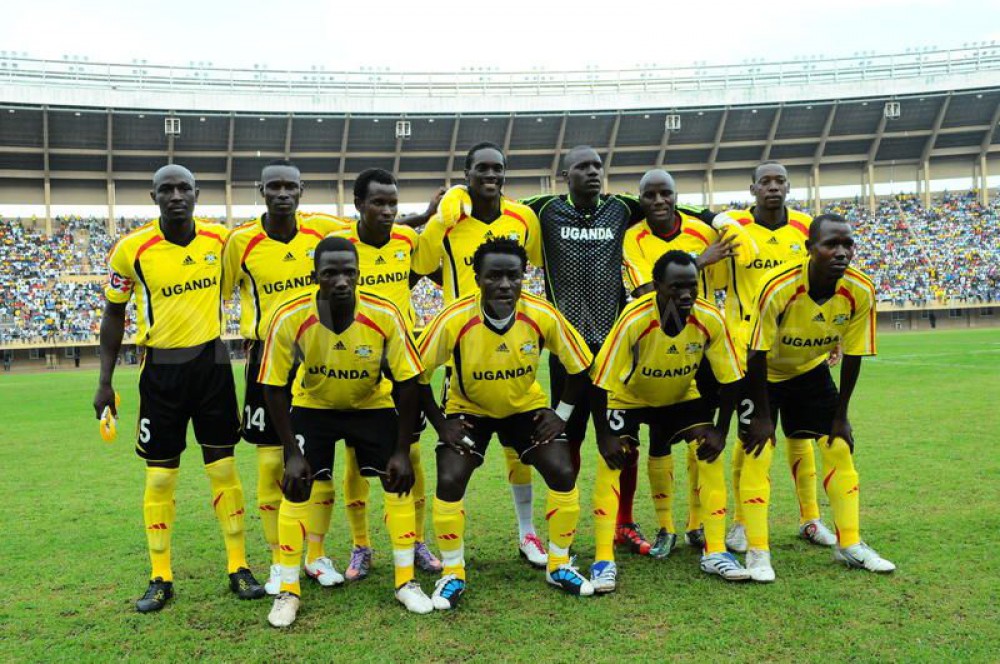
Domestic football gives the schedule its most familiar rhythm. The Uganda Premier League, cup football, regional competitions and national-team windows create a constant flow of storylines. Clubs are not only judged by their position in the table; they are watched for how they develop young players, respond to pressure and represent their areas when they travel across the country.
International football adds a different type of occasion. When the Uganda Cranes play, the conversation expands beyond club support and into a shared national experience. Qualifiers and regional tournaments also show how closely Uganda is connected to its East African neighbours, where a result can influence both sporting confidence and the next generation’s ambitions.
Other sports add their own landmarks
Athletics gives Uganda a global reference point, particularly in distance running, cross country and road races. Rugby’s sevens and fifteens programmes create fast, physical weekend events, while netball provides an especially important platform for women’s sport. Basketball and cricket broaden the calendar further through school, club and national-team activity.
The most useful way to follow the year is not to chase every event, but to choose a few competitions and learn their rhythms. Knowing when leagues begin, when school sport reaches its finals and when national teams have major windows gives each result a clearer meaning. That approach keeps sport enjoyable and prevents matchday decisions from being driven only by impulse.
A calendar that leaves room for growth
The wider calendar also creates a chance for sports administrators to plan rather than react. Avoiding unnecessary fixture clashes, communicating schedules early and giving national teams reasonable preparation time can improve the quality of the whole sporting year. It lets supporters choose events with intention and gives athletes more certainty about the work ahead.
For young people, seeing several sports active at the same time is especially important. It shows that achievement can look different in a football shirt, on a running track, on a netball court or in a rugby jersey. Uganda’s sporting calendar is strongest when every discipline has a clear route from local participation to meaningful competition.
A year worth following
The strongest sports year is not defined by one final or one famous name. It is built from regular competition, visible pathways and enough variety for different communities to take part. When Uganda’s calendar works in that way, every event has a place and every new athlete can see a possible starting point.